KPT Proposes 24/7 E-Delivery Orders and Night Inspections to Speed Cargo Clearance
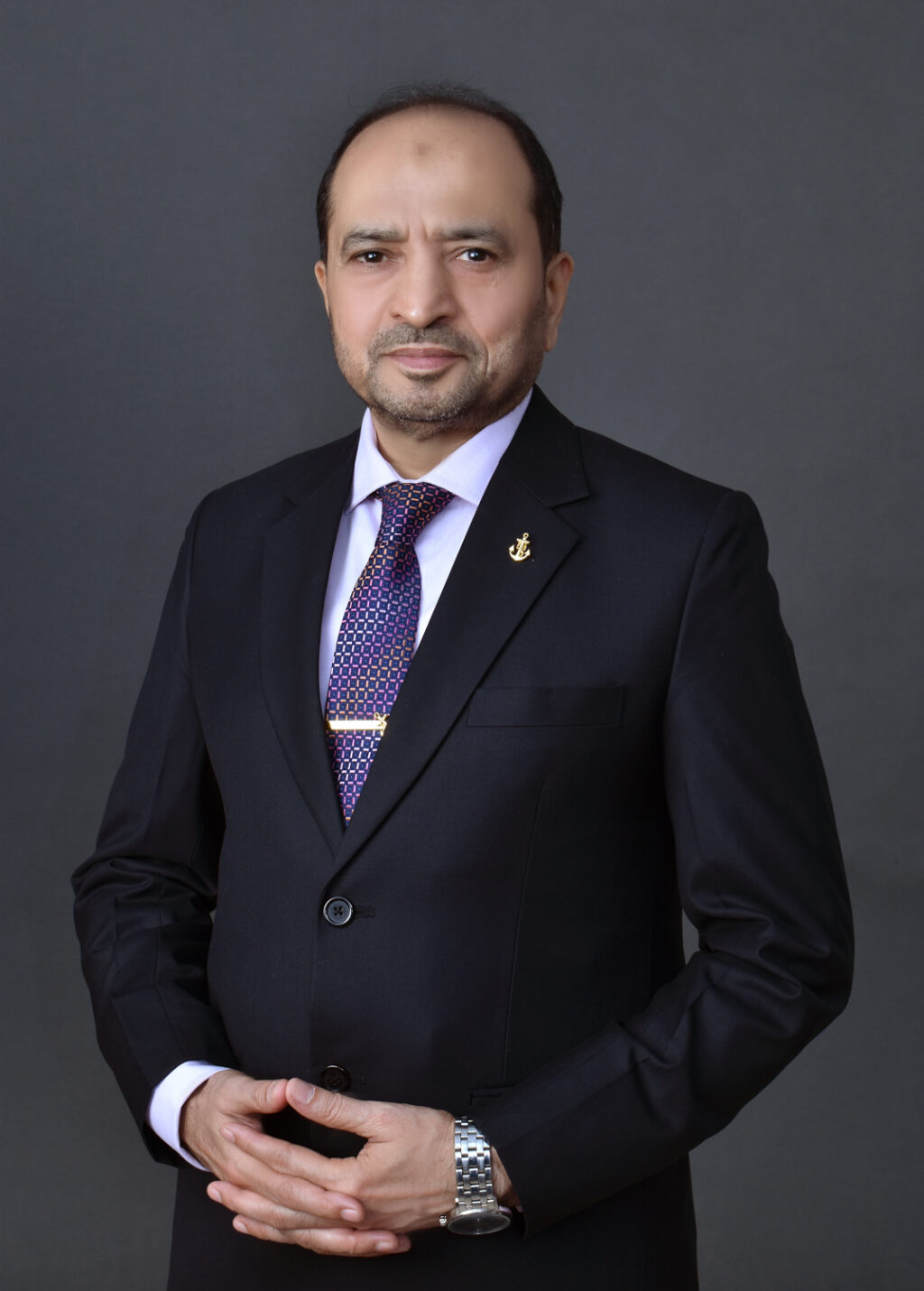
KPT Chairman Rear Admiral Shahid Ahmed chairs a meeting on shipping connectivity and faster cargo clearance.
Chairman Karachi Port Trust (KPT) Rear Admiral Shahid Ahmed SI(M), S.Bt (Retd) chaired a high-level meeting on shipping connectivity and cargo clearance.
The Working Group on Shipping Connectivity and Optimisation held the meeting at the KPT Head Office. It focused on removing physical and regulatory bottlenecks that slow cargo movement.
During the meeting, participants proposed standardised electronic delivery orders on a 24/7 basis. They also discussed risk-based inspections, non-intrusive scanning, joint inspections and common sampling.
Furthermore, terminal operators expressed their readiness to conduct inspections at night. The meeting also requested Pakistan Customs to support round-the-clock operations.
The Working Group reviewed international shipping connectivity benchmarks. These included the UNCTAD Liner Shipping Connectivity Index (LSCI) and Port Liner Shipping Connectivity Index (PLSCI).
KATI Welcomes Junaid Naqi’s Appointment as Korangi Vocational Training Centre Chairman
Participants also examined liner connectivity and transshipment. In addition, Chairman KPT reiterated the importance of improving road and rail links with the port.
The meeting set the Pipri Corridor as a key connectivity priority. KPT is targeting its completion in February 2027.
Meanwhile, stakeholders, particularly Pakistan Customs and Pakistan Single Window (PSW), received an invitation to use KPT Staff College free of cost. The facility will provide a platform for meetings with trade and logistics organisations.
Through these engagements, stakeholders can improve awareness of trade facilitation measures. They can also encourage wider use of PSW services across the trade and logistics sector.
The meeting highlighted the need for faster, more predictable and technology-driven cargo clearance. These measures could help strengthen port efficiency and improve Pakistan’s trade connectivity.