
Ebola Vaccine Rollout Begins as DR Congo Battles Rapidly Spreading Outbreak
WHO warns the Ebola outbreak is expanding faster than the response, with nearly 2,500 deaths reported and a vaccine trial targeting the rare Bundibugyo strain.
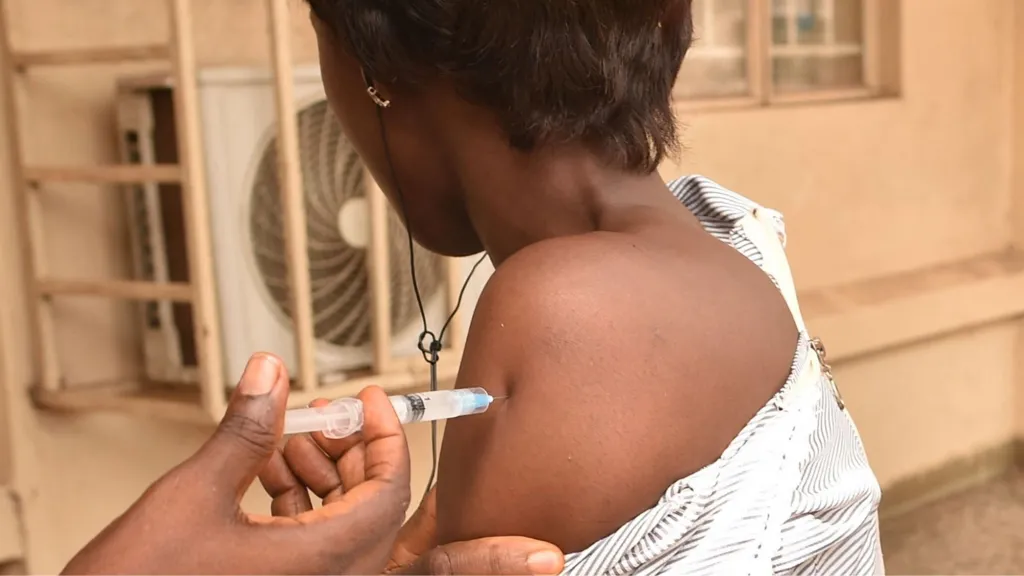
Health workers prepare for an Ebola vaccination campaign in DR Congo.
The Democratic Republic of the Congo is preparing to launch an Ebola vaccination campaign as health authorities struggle to contain a rapidly expanding outbreak. The Ebola vaccine rollout will include doses for a clinical trial assessing whether the Ervebo vaccine can protect against the Bundibugyo strain, which is currently circulating in the country.
The Ervebo vaccine has already proved effective against the Zaïre strain of Ebola. However, no vaccine or treatment has yet been proven effective against Bundibugyo.
The World Health Organization has warned that infections are growing at an alarming rate across northern and eastern parts of the country. The affected area now covers territory larger than France.
Nearly 2,500 people have died since the outbreak was declared three months ago. WHO Ebola coordinator Julien Harneis said the situation was accelerating rapidly, with about half of the recorded deaths occurring during the past 20 days.
11 Investors Bid for Gepco as Pakistan’s Power Privatisation Gains Momentum
He warned that the outbreak was expanding faster than the international response could manage.
Vaccine trial targets rare Ebola strain
The WHO confirmed that 20,000 Ervebo doses will enter a clinical trial to determine whether the vaccine can offer protection against Bundibugyo Ebola. Another 50,000 doses will go to frontline health workers.
The WHO and Africa Centres for Disease Control and Prevention described the vaccine allocation as an important boost to the response.
Bundibugyo Ebola remains extremely rare. Health experts have recorded only two previous outbreaks involving the strain.
The current outbreak has created additional challenges because some early cases were reportedly mistaken for malaria or typhoid. Experts believe the virus may have circulated in parts of DR Congo since February.
Conflict in affected areas has also made it harder for medical teams to reach communities. Distrust of health authorities and traditional burial practices have further complicated efforts to stop transmission.
Children among those facing devastating losses
The outbreak has also left many children without parents or caregivers. A report by Save the Children estimates that at least 180 Congolese children have lost both parents or caregivers since the outbreak began.
Health authorities have tightened burial procedures because contact with the bodies of Ebola victims can spread the virus. Families and communities must follow strict safety measures during funerals.
Meanwhile, the M23 rebel group has introduced additional travel restrictions in parts of North Kivu. The group said shared taxis and passenger boats between government-controlled and rebel-held areas would stop operating for one month.
The restrictions followed reports that two travellers tested positive for Ebola in a village controlled by M23. Other transport services will continue under tighter health controls.
Conflict adds pressure to Ebola response
The latest restrictions highlight the difficulties facing health workers in eastern DR Congo, where fighting between government forces and rebel groups continues.
M23 captured Goma and Bukavu in early 2025 and has attempted to establish parallel administrative structures in areas under its control. Rebel authorities declared their territories Ebola-free in June, although the latest reported infections have renewed concerns about transmission.
Ebola is a rare but potentially fatal viral disease. Symptoms can initially resemble flu or malaria and include fever, headache and extreme tiredness.
Symptoms can appear between two and 21 days after infection. As the disease progresses, patients may develop vomiting and diarrhoea, which can lead to severe complications and organ failure.
The virus spreads through contact with infected bodily fluids, including blood and vomit. Health officials hope the vaccine campaign, combined with stricter infection-control measures and surveillance, can slow the outbreak.