Pakistan Football: Technical Director Adeel Rizki Unveils Long-Term World Cup Vision
New Pakistan Football Federation Technical Director Adeel Rizki outlines plans to rebuild the national football system through youth development, coaching, and stronger grassroots structures.
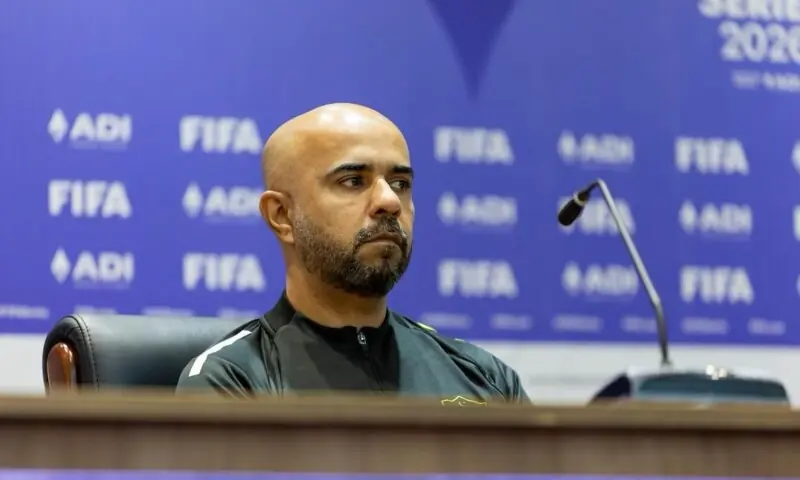
Pakistan Football Federation Technical Director Adeel Rizki outlines his long-term development strategy.
Pakistan Football entered a new era after the Pakistan Football Federation (PFF) appointed Adeel Rizki as technical director. He unveiled a long-term strategy to rebuild the country’s football system and create a pathway to the FIFA World Cup.
Rizki officially assumed the role on Wednesday. He is the first technical director appointed by the PFF’s elected leadership since 2021.
Speaking to Dawn, Rizki said Cape Verde’s historic FIFA World Cup qualification inspired his vision for Pakistan.
He said modern football rewards countries that invest in youth development. It also values coach education and strong football structures. According to Rizki, history and population alone no longer guarantee success.
He acknowledged that Pakistan must rebuild its football system from the ground up. He also admitted the challenge is greater because the country still lacks a functioning domestic league.
Tuition Academies: Punjab Orders Registration of 760 Unregistered Centres After Lahore Tragedy
Rizki stressed that World Cup qualification starts years before the qualifiers begin. Therefore, he plans to strengthen youth development across the country.
He also wants to improve coaching standards. In addition, he aims to expand talent scouting and provide regular international exposure for young players.
At the senior level, Rizki plans to improve player preparation. He also wants stronger domestic competition and better integration of overseas Pakistani footballers.
Pakistan’s immediate goal is to compete consistently in the early qualification rounds. Rizki also wants the national team to improve its FIFA ranking.
He believes every qualification campaign should leave Pakistan stronger than the previous one. The next World Cup qualifying cycle is expected to begin in October 2027.
Although Rizki did not announce a return date for the domestic league, he highlighted the importance of a complete football pyramid.
He said district tournaments encourage participation. Youth competitions help identify talented players. Meanwhile, a professional league allows players to develop consistently.
Rizki explained that his responsibility is to strengthen the technical pathway. Therefore, he wants youth competitions, clubs, and player development programs to work under common technical standards.
The PFF recently announced district championships. Rizki described them as an important step toward discovering talent across Pakistan.
He also plans to establish a nationwide scouting network. The system will include regional scouts, provincial associations, schools, clubs, and football academies.
“No player should be overlooked simply because of where they were born,” he said.
Coach education remains another major priority. Rizki plans to expand coaching courses across the country. He also wants to introduce mentoring programs and continuous professional development.
He believes better coaches produce better players. As a result, Pakistan can improve its overall football standard.
Rizki also acknowledged the country’s limited sports infrastructure. However, he believes football development should continue despite those challenges.
He said Pakistan can improve existing facilities while working with government agencies, educational institutions, and the private sector to expand access to quality pitches.
Reflecting on Pakistan’s UEFA youth tournament in Kazakhstan, Rizki said international matches help young players grow. Although the team lost all three games, he believes the experience will benefit their long-term development.
He also highlighted the progress of Pakistan’s women’s national team. The side made history by competing in the inaugural FIFA Series earlier this year.
According to Rizki, sustainable success requires stronger youth competitions. It also depends on qualified female coaches and a clear pathway from grassroots football to the national team.
Before accepting the position, Rizki resigned from his PFF Congress membership. He said the decision would ensure impartial technical decisions.
Looking ahead, Rizki wants to build strong foundations during his first year. His priorities include regular youth competitions, expanded coaching programs, a nationwide scouting network, and closer cooperation between clubs, provincial associations, and national teams.
He believes Pakistan can compete internationally through long-term planning, stronger structures, and consistent investment in football development.