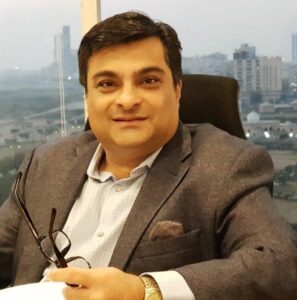
Rising tensions in the Middle East are leading to economic downturn, Shakir Shah?

The escalating tensions in the Middle East have placed the region, and indeed the world, in a highly precarious position. Although a full-scale war has not yet broken out, the continuing cycle of confrontation, military signaling, and uncertainty is deeply concerning and demands urgent global attention.
The Middle East remains central to the world’s energy supply, and even limited conflict has already contributed to volatility in oil prices. For countries like Pakistan, which are already facing economic pressures, rising fuel costs further intensify inflation and increase the burden on ordinary citizens.
Beyond economic implications, the human cost is severe. Loss of life, destruction of infrastructure, and growing instability threaten to push the region toward a humanitarian crisis if tensions are not contained in time.
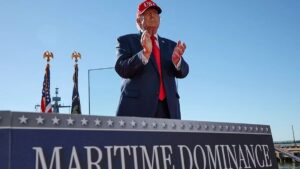
At this critical juncture, diplomacy must take precedence over confrontation. Pakistan is in a unique position to play a constructive role in promoting dialogue and de-escalation. The leadership of Prime Minister Shehbaz Sharif, alongside Field Marshal Asim Munir, carries significant responsibility in advancing efforts for regional peace. Reports of direct communication between Field Marshal Asim Munir and former U.S. President Donald Trump further underscore the importance of sustained diplomatic engagement and backchannel efforts aimed at reducing tensions.
All parties must recognize that prolonged instability will have far-reaching consequences—not only for the Middle East but for the global economy. Continued disruption to energy markets, trade routes, and financial systems will impact nations across the world.
The moment calls for restraint, wisdom, and collective responsibility. Peaceful dialogue, mutual understanding, and timely mediation remain the only viable path forward. The international community must act decisively to prevent the situation from escalating into a wider conflict with irreversible consequences.
Shakir Shah
Chairman SSC group