Muttahida Qaumi Movement Pakistan Urges 28th Amendment to Empower Local Governments
Muttahida Qaumi Movement Pakistan (MQM-P) on Thursday called on the government to introduce a proposed 28th Constitutional Amendment to devolve powers to the grassroots level, terming the move essential for strengthening democracy and safeguarding the country.
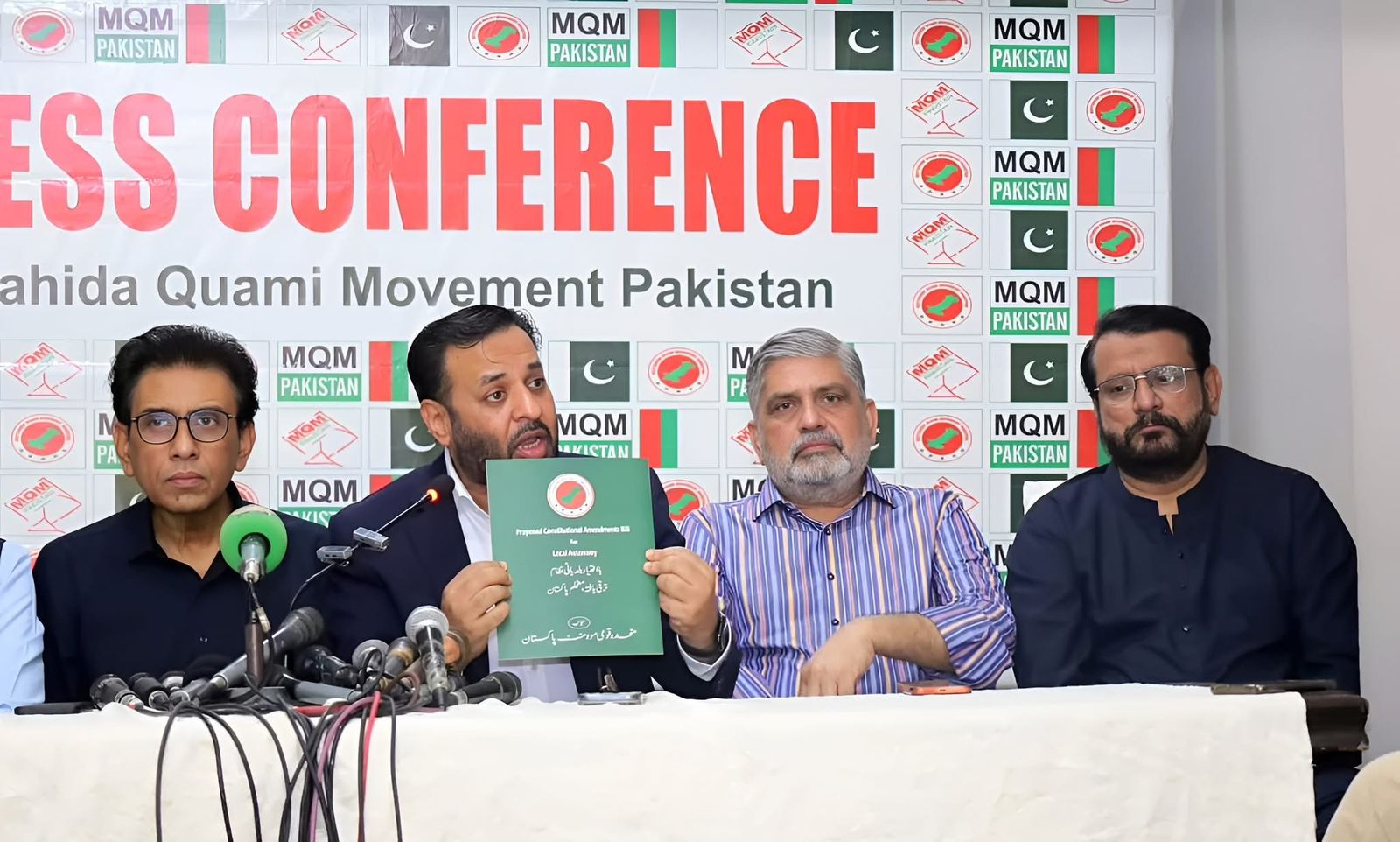
KARACHI: Muttahida Qaumi Movement Pakistan (MQM-P) on Thursday called on the government to introduce a proposed 28th Constitutional Amendment to devolve powers to the grassroots level, terming the move essential for strengthening democracy and safeguarding the country.
Addressing a press conference in Karachi, party convener Khalid Maqbool Siddiqui said Pakistan continues to operate under a feudal-style democratic system, which he argued limits public participation. Drawing a comparison with Iran, he said strong municipal governance contributes to national unity.
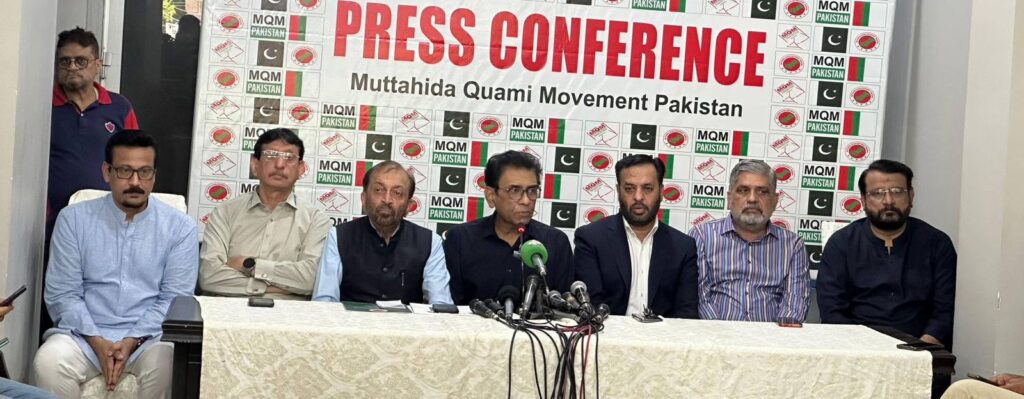
Siddiqui stated that MQM-P has long advocated that elected representatives must be held accountable to the public, but feudal and dynastic political structures hinder meaningful decentralisation. He said the party had expected the 28th Amendment to ensure the transfer of authority to local governments, but progress had stalled.


He warned that amid economic challenges and potential security concerns, the country must empower local institutions to effectively respond to crises. According to Siddiqui, a small group benefiting from centralized power continues to block the devolution of authority and resources.
Referring to a ruling by the Supreme Court in favour of local government empowerment, he urged the prime minister to clarify the government’s position on MQM-P’s demands, emphasizing that the party seeks constitutional accessibility for the people rather than political gains.
Siddiqui called on all political parties to support the amendment, stating that national unity and preparedness were critical in times of regional tension. He cautioned that Karachi, as the country’s economic hub, could be a primary target in the event of external aggression and must not remain administratively weak.
Commenting on the recent Gul Plaza tragedy, where dozens lost their lives in a fire, Siddiqui expressed solidarity with the victims and criticized the absence of city administration during emergencies.
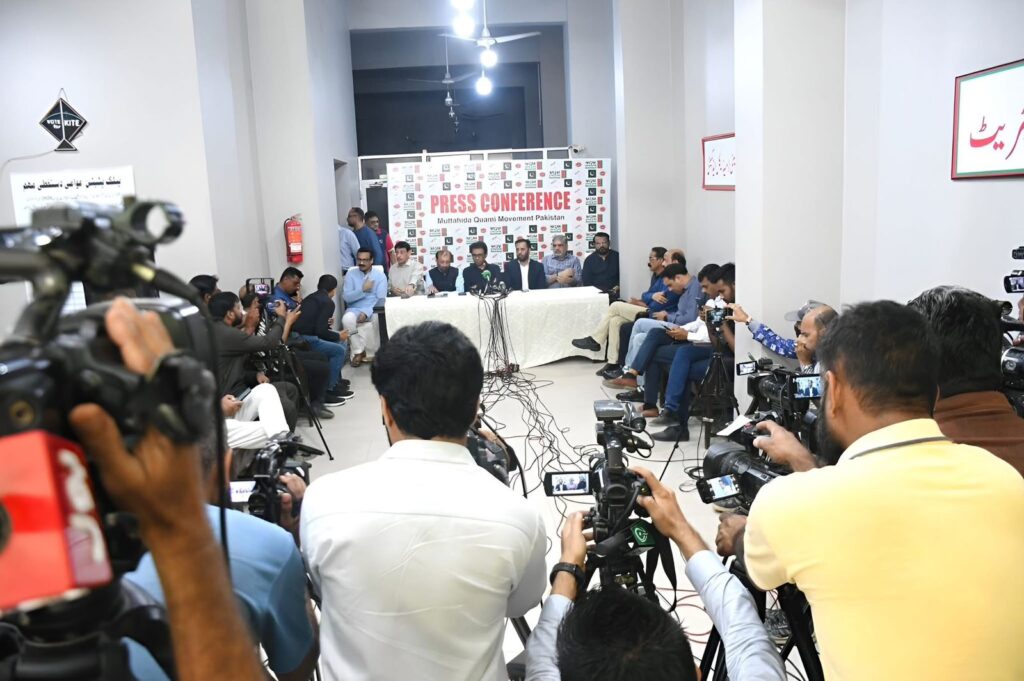
Senior MQM-P leader Farooq Sattar also stressed the need for an inclusive democratic system, stating that empowering local governments across all districts was crucial for the country’s survival. He proposed strengthening all 144 districts through a comprehensive strategic development plan.
Meanwhile, Mustafa Kamal highlighted the importance of civil administration alongside military preparedness, noting that effective governance of over 400 cities is not possible without decentralisation. He described energy management and local governance as matters of national security.
The MQM-P leadership reiterated that granting authority to local representatives, including mayors and town administrations, was essential to ensure responsive governance and long-term stability.