
Muhammad Saleem Memon, President of the Hyderabad Chamber of Small Traders & Small Industry (HCSTSI),
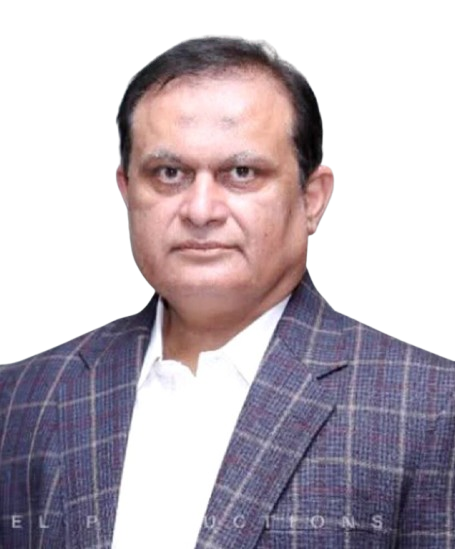
Hyderabad : Muhammad Saleem Memon, President of the Hyderabad Chamber of Small Traders &
Small Industry (HCSTSI), has strongly condemned the recent increase in electricity tariffs, stating that
any per-unit hike directly raises industrial production costs. He warned that such increases would render
local industries uncompetitive, severely impacting exports, employment, and overall economic activity.
The President highlighted that industrial consumers in Pakistan currently pay approximately 13.5 cents
per unit of electricity, which is significantly higher than neighboring countries: Tajikistan (2–3 cents),
India (6–7 cents), Bangladesh (8–9 cents), and Sri Lanka (9–12 cents). Under these conditions, Pakistani
industries cannot compete on price with regional economies such as Tajikistan, India, Bangladesh, Sri
Lanka, Indonesia, and others while European markets are virtually out of reach.
Mr. Memon emphasized that high electricity costs constitute a major portion of industrial production
expenses, directly affecting exports, profits, investment, and employment. This cost disparity also makes
Pakistani products uncompetitive in international markets, weakening the export performance of
sectors such as textiles, ceramics, auto parts, and food processing.
He further drew attention to capacity charges and IPP (Independent Power Producer) agreements,
noting that the government has so far reviewed agreements with only a limited number of IPPs,
resulting in savings of approximately PKR 3,600 billion. The President stressed that if these agreements
were made on principled grounds with all IPPs, or if existing agreements were reviewed or renegotiated,
thousands of billions of rupees could be saved, significantly reducing electricity costs for consumers and
industry.
Mr. Memon also pointed out that rising electricity costs are driving industries and businesses toward
wind and solar energy, as reliance on the national grid has become increasingly unaffordable. He noted
that if electricity rates were reduced, industries could invest their capital in other sectors, thereby
supporting the broader development of Pakistan’s economy.
The President demanded that Industrial electricity rates be aligned with those of other countries in the
region and the unfair cross-subsidy system be reviewed and reformed, and that the government include
all stakeholders, especially the business community, in the formulation of energy policy.
He warned that if electricity tariffs continue to rise, industrial growth in Pakistan will stall, exports will
decline, and the economy will face further challenges. Mr. Memon urged the Prime Minister, the
Federal Minister for Energy, and NEPRA to review this decision immediately and adopt industry-friendly
and economically sustainable policies that will protect employment, investment, and exports.