UNFPA Pakistan, Group Development Pakistan, and the Embassy of the Netherlands Conclude
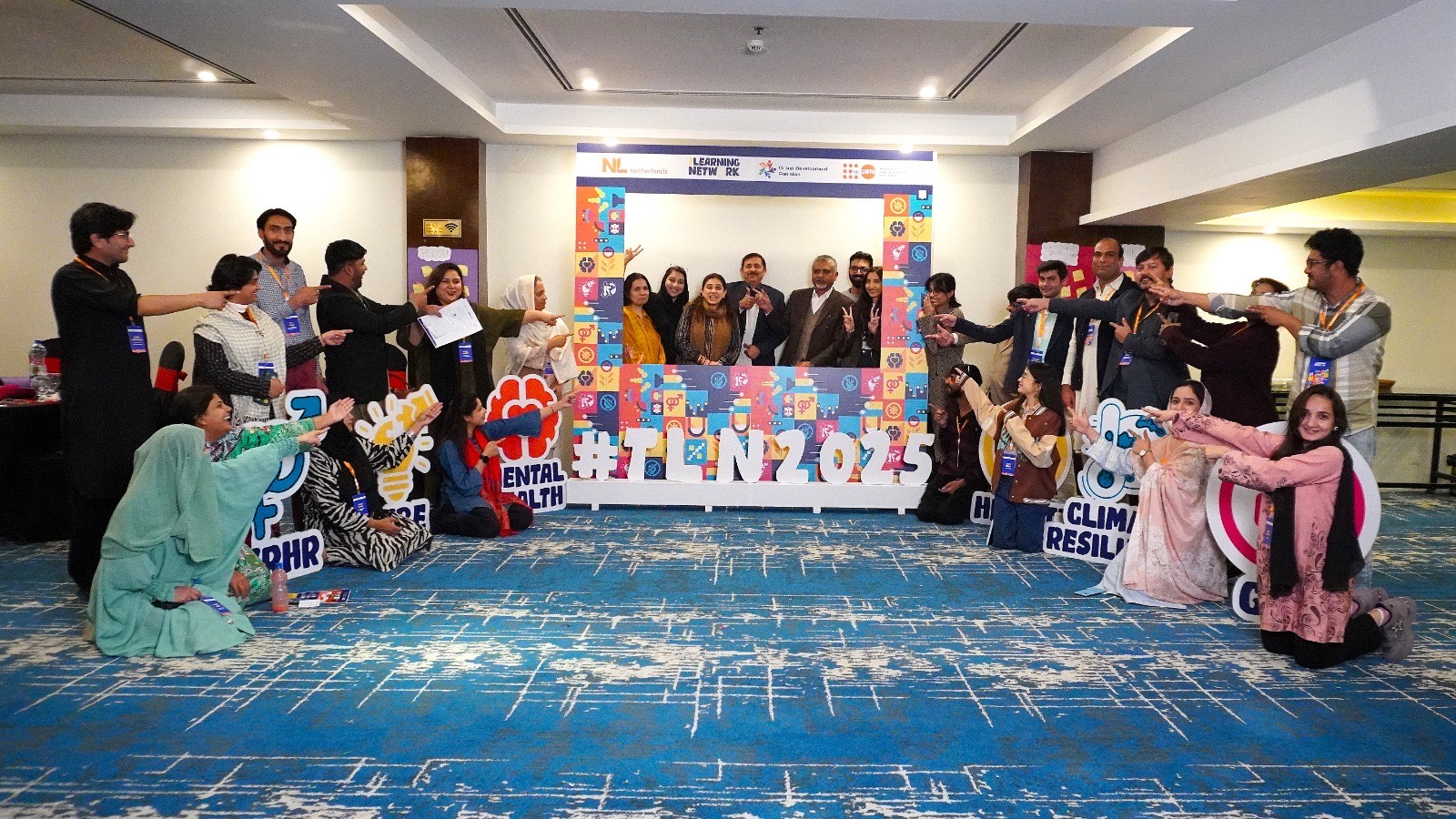
Participants representing regions including Islamabad, Lahore, Bahawalpur, Multan, Chiniot, Peshawar, Buner, Swat, Quetta, Hyderabad, and Skardu returned for this workshop to reflect on their learning, share transformation stories, and deepen their understanding of how rights-based approaches shape community realities.
Grounded in TLN’s human rights framework, the workshop created a space for collective reflection, peer learning, and applied sense making on themes such as Life Skills Based Education, Sexual and Reproductive Health and Rights, Gender Based Violence, Mental Health, HIV and STI awareness, and community resilience. Participants explored how these themes intersect with the lived realities of the communities they serve and how their learning can strengthen organizational responses.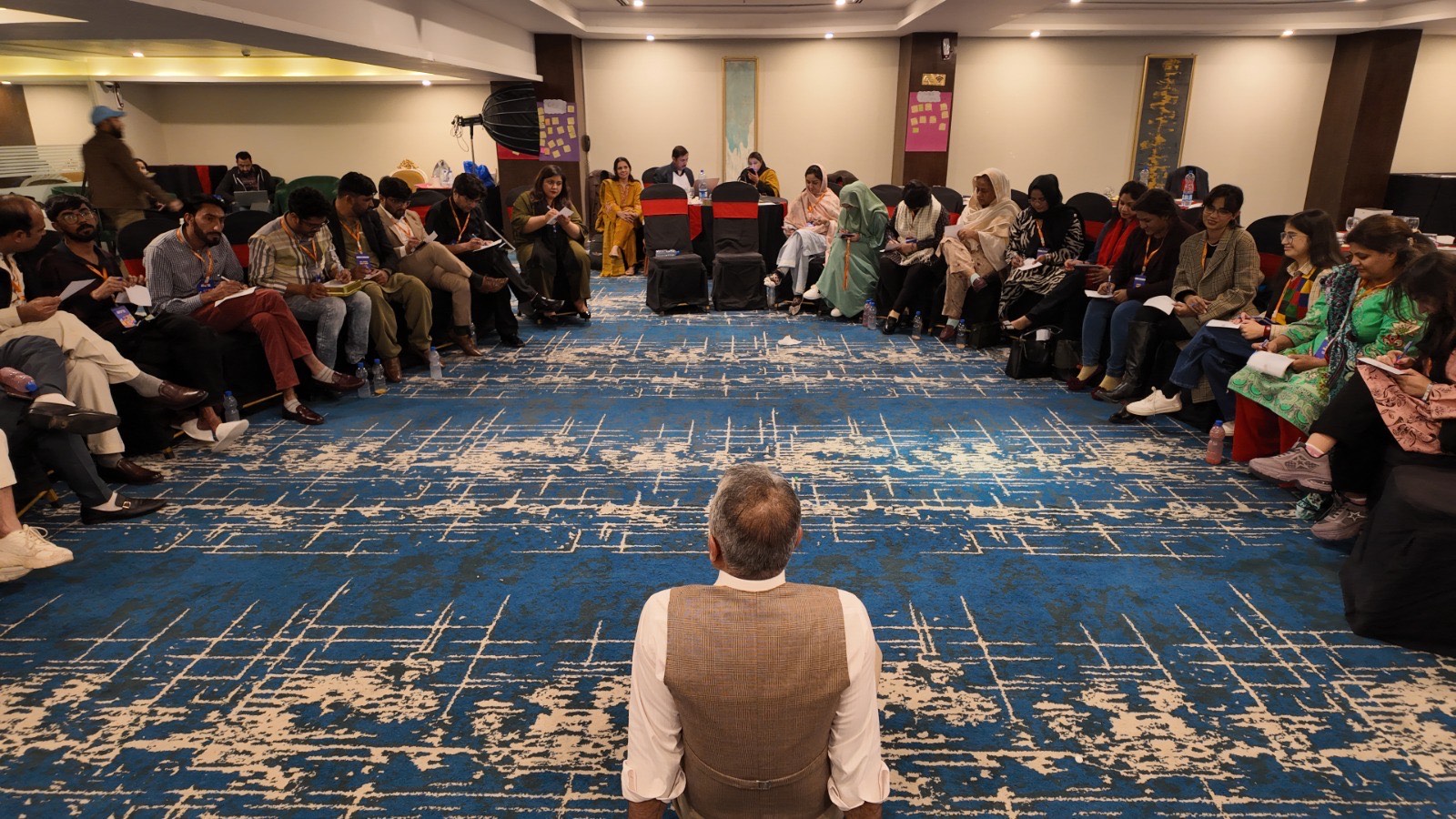
The Experience Sharing Workshop served as the culmination of the digital training sessions and the ToT conducted under The Learning Network. Across the two days, participants revisited their journeys with the programme and shared how the learning influenced their work on the ground. They reconnected through reflective activities, engaged in a thematic gallery walk, and applied the Plan Act Observe Reflect cycle to assess how training shaped their practices. Participants shared field experiences through story circles, mapped community stakeholders, and joined peer clinics for theme based mentoring. The workshop also included a climate resilience discussion, creative theatre preparation and performances based on real community challenges, a session on mental health ground realities, and closing reflections that helped participants synthesize insights and carry this learning forward.
Reflecting on the workshop, Sameen Sheikh, Executive Director, Group Development Pakistan, shared, “Hearing participants share how they have applied their learning since the ToT reinforces why TLN exists. These organizations understand their communities better than anyone, and their reflections show meaningful insight, clarity, and growth in how they plan and engage. This workshop strengthens their confidence and builds long-term commitment.”
Shahzad S. Mithani, Master Trainer, emphasized the value of collective learning, stating, “When participants revisit their work, question it, and connect it with the experiences of others, they build richer insight. This workshop helped them recognize patterns, refine strategies, and understand that leadership grows through reflection and shared learning.”
Speaking on the progress of the participating organizations, Faiza Mir, Project Manager, GDP, added, “The Learning Network is not only a training programme. It is an evolving space where organizations understand their challenges better, learn from one another, and reconnect with the purpose behind their work. Their openness, curiosity, and commitment during this workshop show the strength of this network.”
UNFPA Pakistan and GDP will continue to engage these organizations through ongoing mentoring, digital learning, and follow up support, ensuring that the reflections and insights from this workshop translate into stronger, community rooted action across Pakistan.