Pakistan economic structure under severe stress.

Islamabad (Nov-27-2025) Pakistan’s economy remains under sustained pressure as analysts warn that the country’s already fragile economic structure is becoming increasingly unstable. The government’s growing reliance on new loans to service old debt has significantly raised the overall debt burden, reducing fiscal room for development spending and weakening macroeconomic stability. Finance Ministry data for the current fiscal year indicates that debt servicing continues to consume a record share of federal resources, limiting funds for social protection, infrastructure and energy reforms.
The slowdown in private investment is deepening this fragility. Multiple business groups are shifting capital abroad due to policy uncertainty, high energy prices and weak regulatory enforcement, resulting in reduced industrial output and job losses. Declining investment and capital flight are also weighing on tax revenues, adding further pressure on an already constrained fiscal framework.
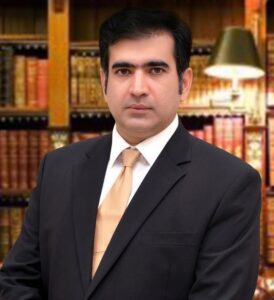
Former Islamabad Chamber of Commerce president Shaheed Rashid Butt said in a statement that after years of warnings from local analysts, international financial institutions have now also expressed concerns over Pakistan’s rising corruption, bureaucratic inertia and weak governance. He argued that meaningful accountability remains impossible unless public officials are legally required to file verified asset declarations. According to him, senior bureaucrats’ unwillingness to engage with major taxpayers reflects an administrative culture resistant to transparency and reform. He cited the example of telecom sector representatives who contribute over Rs 500 billion in taxes yet struggle to secure meetings with relevant authorities.
Economists note that corruption and poor governance are directly depressing Pakistan’s growth potential by raising business costs, discouraging investment and complicating regulatory compliance. Rising production expenses and unstable policies are affecting both corporate planning and household budgets as prices of essential goods continue to increase.
Regional comparisons further highlight Pakistan’s vulnerability. India has emerged as the world’s fourth-largest economy with an output of 4.2 trillion dollars, while Pakistan’s entire national budget stands at about 62 billion dollars. Per capita income remains close to 1,700 dollars and adult literacy around 60 percent, both lagging behind regional peers. Shahid Rasheed Butt warned that without decisive reforms, Pakistan’s competitiveness will continue to erode.
Commenting on the government’s decision to suspend trade with Afghanistan, Butt said national security cannot be compromised and described the move as a necessary defensive response against Taliban regime supporting terrorism in Pakistan.