

PAAPAM Raises Alarm Over Surge in Used Car Imports: Calls for Immediate Government Action
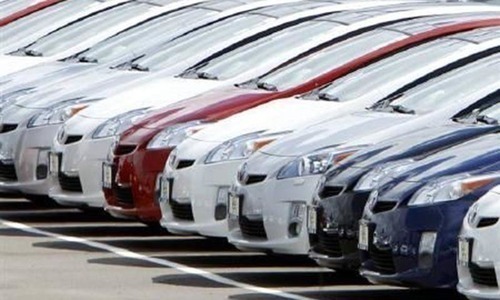
Lahore, November 25, 2025 — The Pakistan Association of Automotive Parts & Accessories Manufacturers (PAAPAM) has expressed deep disappointment over the government’s inaction on curbing the import of used vehicles, which continues to undermine Pakistan’s local auto industry, formal economy, and tax base.
Despite PAAPAM’s detailed submissions to the Ministry of Commerce and the Ministry of Industries—highlighting the grave implications of used car imports, the Economic Coordination Committee (ECC) has deferred a decision and referred the matter back for further stakeholder consultation. Three weeks have passed without progress, while over 3,500 used vehicles were imported last month alone—90% under the baggage scheme.
“This is not just an industrial issue—it’s a national economic concern,” said a PAAPAM spokesperson. “The used car trade has become a Rs. 200 billion black money channel. Passports of overseas Pakistanis are being misused, vehicles are sold for cash without documentation, and the government is losing both tax revenue and credibility.”
PAAPAM emphasized that locally manufactured vehicles require NTN and CNIC reporting to the FBR, while used cars are sold second-hand without traceability.The fixed tax on vehicles under 1300cc has not been revised in over a decade, resulting in significant revenue loss.The continued import of used vehicles sends a negative signal to domestic manufacturers and job creators.
With over 13 local assemblers now producing a full range of vehicles, PAAPAM asserts there is no justification for used car imports. Comparative research shows that Pakistani vehicles are competitively priced against those in Indonesia and Thailand.
“The government’s silence is hurting 300,000 direct jobs in the local auto parts industry,” the spokesperson added. “This black money-driven trade contradicts Pakistan’s formalization agenda and must be stopped.”
PAAPAM urges the government toimmediately revise the baggage scheme and related import allowances, align tax and duty structures to support local manufacturing and take decisive action to protect jobs, revenue, and industrial growth.