Modi’s Populism Risks Public Finances After Election Setbacks.
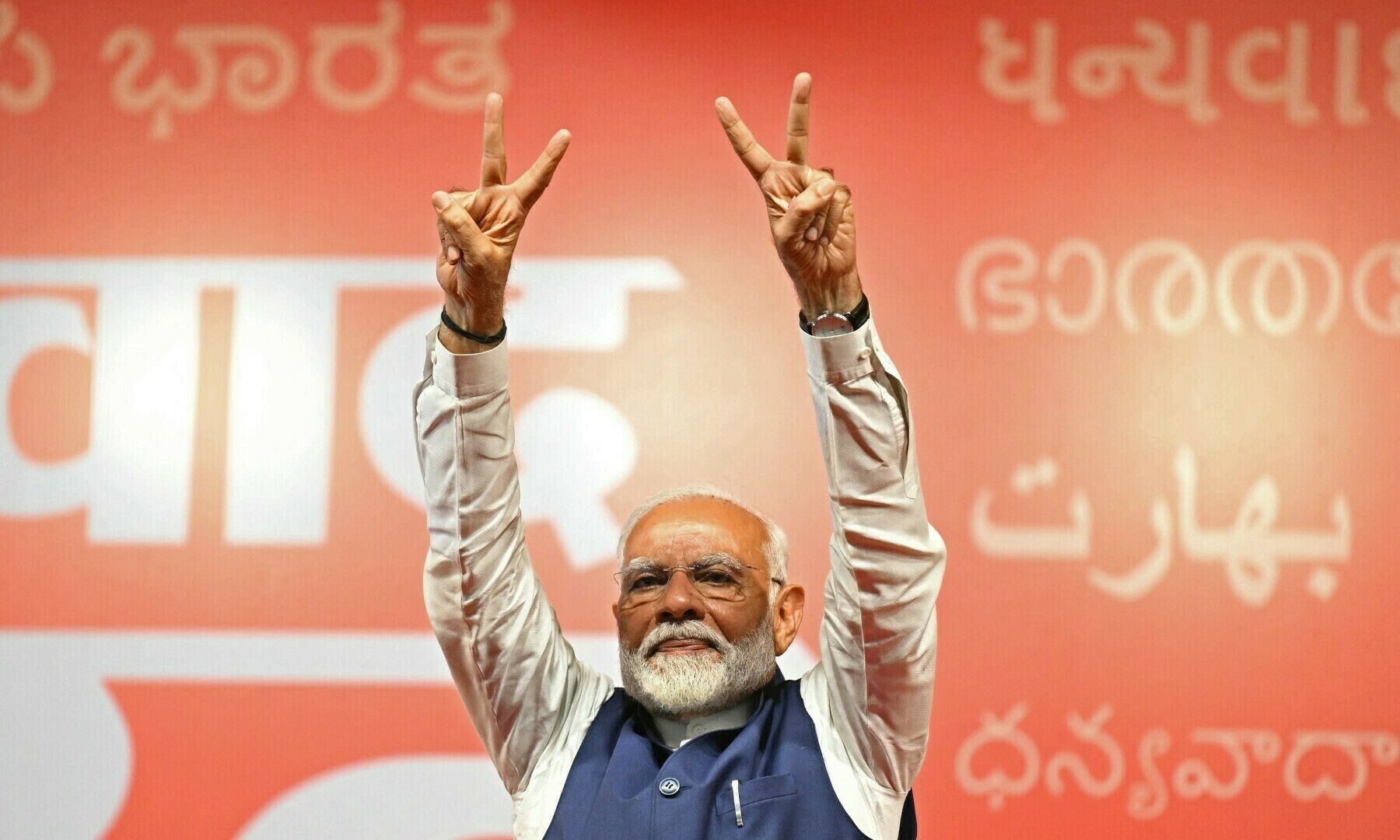
India: Indian Prime Minister Narendra Modi is increasing cash handouts and debt waivers in response to recent election defeats and potential losses in upcoming state polls. After his Bharatiya Janata Party (BJP) lost its parliamentary majority earlier this year, Modi’s coalition is facing the possibility of losing key state elections in Maharashtra, Haryana, and Jammu and Kashmir. Despite predictions of a win in Jharkhand, these challenges are prompting a shift in strategy.
To regain voter support, the BJP has ramped up spending significantly. Maharashtra, India’s wealthiest state, has raised its fiscal deficit target to 2.6% of GDP, adding new handouts and subsidies estimated to cost around Rs960 billion ($11.45 billion). In Haryana, the government has introduced measures such as free water for farmers and reduced cooking gas prices.
This surge in populist spending is raising concerns about India’s fiscal stability. Economists warn that these generous policies could strain public finances and disrupt infrastructure projects. Despite Modi’s past criticism of such practices, the BJP’s current approach reflects a shift driven by electoral pressures and public sentiment.