Green Supply Chains and Digital Technology Key to Pakistan’s Textile Exports, Experts Say
Industry leaders call for cleaner production, sustainability compliance and stronger university-business collaboration ahead of GPS 2027
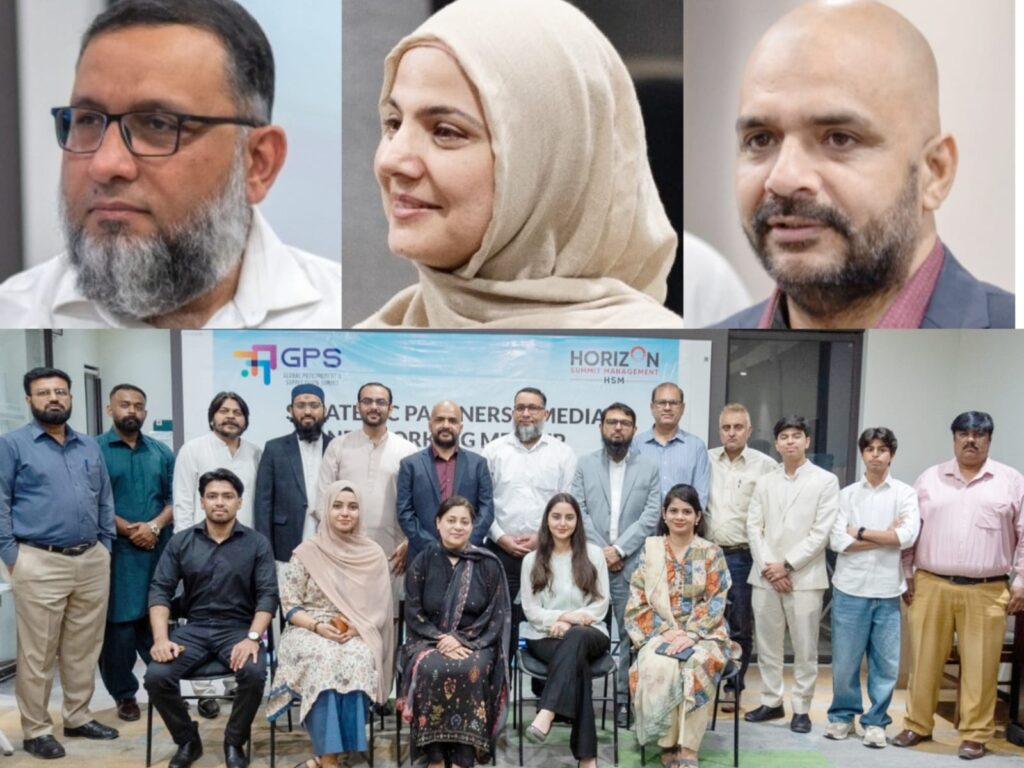
Textile Exports take centre stage as experts discuss green supply chains and digital adoption at the GPS 2027 launch.
Pakistan’s textile and apparel exporters must invest in green supply chains, cleaner production and digital technologies to remain competitive in global markets, industry and academic experts said.
International buyers increasingly expect suppliers to demonstrate environmental responsibility and supply chain transparency. Experts highlighted these priorities at the launch of the second Global Procurement & Supply Chain Summit (GPS 2027) at NED University.
Organised by Horizon Summit Management, the summit will take place in Karachi on January 20, 2027. It will focus on sustainable procurement, industrial technology and developments across the textile and apparel value chain.
Sustainability Becomes Essential for Export Competitiveness
Hafiz Kashif, Director of Artistic Milliners, said global buyers were placing greater emphasis on suppliers’ environmental performance. This trend was particularly visible in European and other environmentally conscious markets.
He identified carbon emissions, energy efficiency, water conservation and responsible sourcing as key areas of assessment. Pakistani exporters, he said, must reduce their environmental impact and adopt sustainable procurement practices to protect access to international markets.
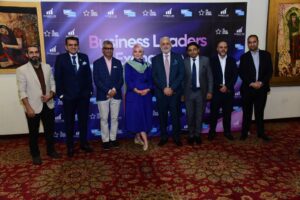
Sindh Bank Head Attends Business Leaders Networking Event in Karachi
Kashif also highlighted the growing importance of cleaner technologies, renewable energy and recognised sustainability standards. These measures could strengthen exporters’ long-term competitiveness.
However, smaller manufacturers and suppliers face difficulties in meeting changing compliance requirements while managing rising production costs.
Digital Skills and Industry-Academia Collaboration
Dr Majida Kazmi, Professor at NED University, Vice Chairperson of the Institution of Engineers Pakistan–Karachi Centre and Director of its STEM Centre, stressed the need to develop practical skills in artificial intelligence, automation and digital technologies.
She said businesses must apply these technologies across industrial operations, procurement and supply chain management. Stronger collaboration between universities and businesses could help align education with industry requirements.
She also called for an interdisciplinary approach to science, technology, engineering and mathematics. Such an approach would help students strengthen analytical thinking, adaptability and practical problem-solving skills.
GPS 2027 to Focus on Supply Chain Innovation
Participants said Pakistan’s export competitiveness would increasingly depend on resilient supply chains and skilled workers. Manufacturing capacity and competitive pricing would remain important, but businesses must also respond to changing global requirements.
Horizon Summit Management CEO Syed Faisal Ali thanked participants and acknowledged the media’s role in highlighting Pakistan’s industrial capabilities and innovation.
GPS 2027 will bring together industry leaders, procurement professionals, technology experts, policymakers and academics. Discussions will cover sustainable sourcing, industrial automation, artificial intelligence adoption and opportunities across the textile and apparel value chain.
Representatives from the textile, information technology, engineering, procurement and supply chain management sectors attended the launch.