SCO Meeting Ishaq Dar Leads Pakistan Delegation to Tajikistan
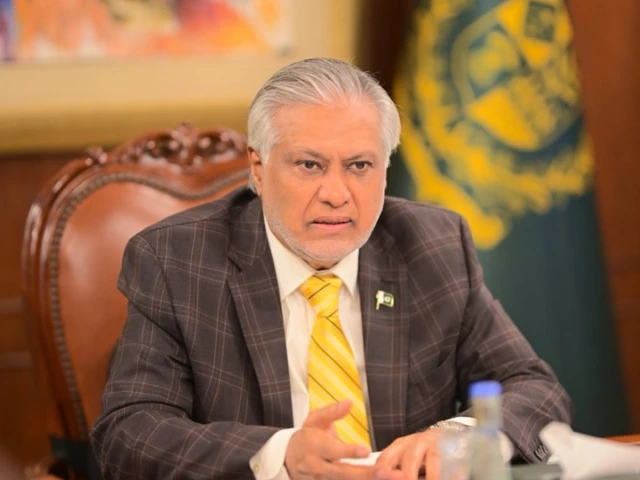
SCO Meeting in Dushanbe: Ishaq Dar leads Pakistan’s delegation for talks on trade and regional cooperation.
Deputy Prime Minister and Foreign Minister Ishaq Dar is leading Pakistan’s delegation to the Shanghai Cooperation Organisation (SCO) Council of Heads of Government meeting in Dushanbe, Tajikistan, on October 19–20, 2026.
According to Pakistan’s Foreign Office (FO), the meeting is expected to produce a joint communiqué, statements and key decisions on economic cooperation, trade and regional connectivity. Dar is attending at the invitation of Tajikistan’s Prime Minister Qohir Rasulzoda.
The gathering brings together prime ministers from Belarus, China, Kazakhstan, Kyrgyzstan, Russia, Tajikistan and Uzbekistan. Meanwhile, Iran is represented by its vice-president, while India’s external affairs minister is also attending, according to the FO.
SCO Meeting Focuses on Economic Cooperation
The Foreign Office describes the Council of Heads of Government as the SCO’s second-highest decision-making body. It provides guidance on economic and financial affairs, trade, commerce, connectivity, socio-economic cooperation and the organisation’s budget.
Rotary District 3271 Holds Service Projects Seminar in Karachi
The council is also expected to adopt a joint communiqué, statements and important decisions during the two-day meeting.
During his visit, Dar is scheduled to meet Tajikistan’s president and prime minister. He is also expected to hold bilateral talks with foreign ministers and other counterparts from SCO member states on the sidelines of the gathering.
Pakistan Prepares to Host SCO Summit in 2027
The Dushanbe meeting comes as Pakistan advances its priorities under its 2026–27 chairmanship of the SCO Council of Heads of State. Pakistan is scheduled to host the organisation’s next summit in Islamabad in 2027.
In September, Dar reaffirmed Pakistan’s commitment to the SCO’s objectives. He called for stronger practical cooperation among member states, particularly in economic development, transport and regional connectivity.
Pakistan is pursuing its chairmanship under the theme “Turning Vision into Action: Connectivity, Innovation, and Shared Prosperity.” The government aims to translate the organisation’s shared goals into practical outcomes.
At the SCO Council of Heads of State meeting in Bishkek in September, member states adopted the Bishkek Declaration. The declaration outlined plans to deepen cooperation in security, trade and technology.
In addition, member states signed or adopted more than 20 other documents. These covered transport, energy, drug trafficking, digital infrastructure and environmental cooperation. The summit also designated Lahore as the SCO’s tourism and cultural capital for 2026–27.
Pakistan previously hosted the SCO Council of Heads of Government meeting in Islamabad on October 15–16, 2024. That gathering focused on trade, connectivity and regional cooperation. Member states issued a joint communiqué and reaffirmed their commitment to implementing earlier decisions.
Dar and Iranian Counterpart Discuss Regional Developments
Dar’s visit to Tajikistan follows continued diplomatic engagement between Pakistan and Iran.
On Sunday, Dar spoke by telephone with Iranian Foreign Minister Seyyed Abbas Araghchi. According to the Foreign Office, they discussed the evolving regional situation and the ongoing Organisation of Islamic Cooperation (OIC) Council of Foreign Ministers meeting in Baghdad.
During the conversation, Dar stressed the importance of dialogue and diplomacy in addressing regional challenges. Both ministers also agreed to maintain close contact.
The two diplomats previously met on the sidelines of multilateral meetings. In September, they held talks in Bishkek ahead of the SCO Council of Heads of State meeting. Their discussions covered bilateral relations, regional developments and the need for continued engagement.
During the Dushanbe gathering, Dar is expected to pursue further bilateral discussions with counterparts from SCO member states. These meetings could provide an additional opportunity to address regional issues and strengthen cooperation alongside the bloc’s economic agenda.