
Karachi Funds Mustafa Kamal Demands Greater Share for City
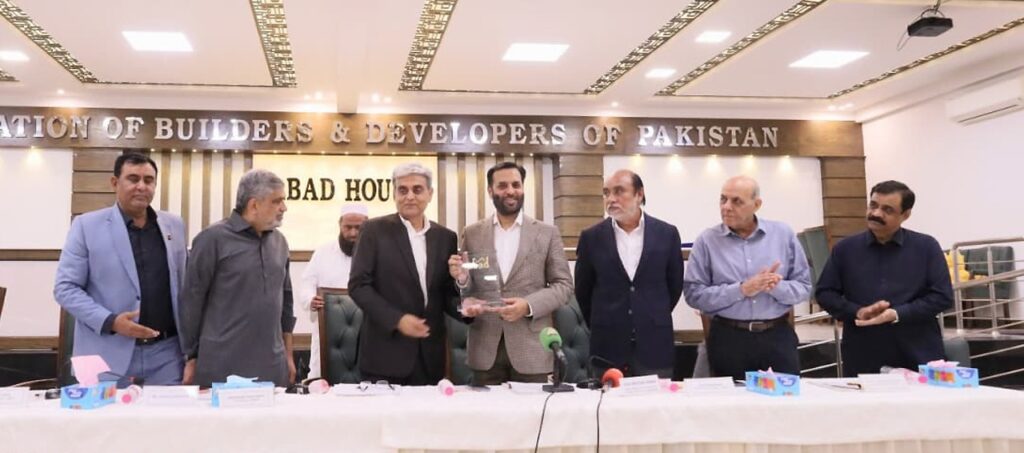
Federal Health Minister Mustafa Kamal speaks at an ABAD House event in Karachi.
Karachi funds must reflect the city’s contribution to Pakistan’s economy, Federal Minister for Health Syed Mustafa Kamal said on Saturday.
Speaking at ABAD House in Karachi, Kamal said the city contributes around 50 per cent of the country’s revenue. However, he argued that Karachi has not received its due share under the National Finance Commission (NFC) Award.
The minister estimated that almost Rs2,000 billion in resources linked to Karachi should have been spent on the city’s infrastructure.
He questioned why Pakistan could not create more provinces to improve administration and public services. Kamal pointed to India, which has increased the number of its states over the years.
Call for constitutional reforms
Kamal said Pakistan may need further constitutional amendments because the current system was not functioning effectively.
The country has already passed the 27th Constitutional Amendment, he noted. Further changes could follow if existing governance arrangements continue to create problems.
Faysal Bank Named Best Mid-Sized Bank at Pakistan Banking Awards 2026
He also referred to the constitutional process for creating new provinces. According to him, Pakistan should seriously debate administrative reforms.
The minister urged political forces to promote dialogue and tolerance. He said political differences should not turn into hostility toward state institutions.
Karachi still faces water shortages
Kamal also highlighted Karachi’s continuing water crisis.
Recalling his time as Karachi mayor, he said Gulistan-e-Johar once faced severe infrastructure and water problems. His administration, he added, laid a three-million-gallon water pipeline in the area.
Despite such projects, the city still depends heavily on private water tankers.
Karachi’s industrial areas also require better facilities, Kamal said. He specifically mentioned Korangi Industrial Area and SITE, both of which play an important role in Pakistan’s economy.
Healthcare concerns in Sindh
The federal minister also raised concerns about healthcare services in Sindh.
He said the government currently spends around Rs1,156 billion on healthcare across Pakistan. Yet, according to Kamal, fewer than 10 per cent of people in Sindh are satisfied with government hospitals.
He claimed the country could provide healthcare services to its population with around Rs210 billion.
ABAD Chairman Muhammad Hassan Bakhshi separately called for health cards for people in Sindh. He said such a programme could reduce the financial pressure on families facing medical expenses.
Builders seek stable policies
Bakhshi described construction as one of Pakistan’s major industries and called for consistent government policies.
He said ABAD members are currently involved in construction activity worth around $5 billion. The projects include high-rise developments in Karachi and other parts of Pakistan.
According to Bakhshi, investors need clear and long-term policies before committing more capital to the construction sector.
He also encouraged business leaders to enter politics and contribute to policymaking.
The ABAD chairman said the business community should not focus only on securing individual seats in assemblies. Instead, he urged business leaders to work collectively for public service and national development.
Business community and political engagement
Bakhshi said ABAD would engage with major political parties, including the MQM, PPP, PTI and Jamaat-e-Islami, over greater political participation by business leaders.
“Politics is a trust and must be conducted with honesty,” he said.
The event brought together senior MQM leader Anis Qaimkhani, ABAD Senior Vice Chairman Syed Afzal Hameed, Vice Chairman Tariq Aziz, Southern Region Chairman Ahmed Owais Thanvi and other members of the association.
Kamal’s remarks have renewed discussion about Karachi’s financial contribution, infrastructure needs and political representation. The city remains central to Pakistan’s economy, but its leaders continue to demand stronger investment in basic services and development.